
Rust Free World
Reliable performance in aggressive industrial environments
Industrial environments demand materials resistant to chemicals, heavy loads, and constant wear. GFRP provides superior durability and corrosion resistance for all industrial flooring applications.
Sub-categories covered
Traditional steel reinforcement creates costly, long-term problems. GFRP solves them permanently.
Steel corrosion due to chemical exposure Frequent repairs and facility shutdowns Safety risks and regulatory non-compliance Rapid deterioration in acidic environments Heavy equipment requirements for installation
Resistant to acids, alkalis, and corrosive substances Stable in extreme temperature and chemical environments Improved safety and longer service life Reduced maintenance and downtime Lighter reinforcement for easier construction
Primary Use Case
Industrial Flooring Reinforcement
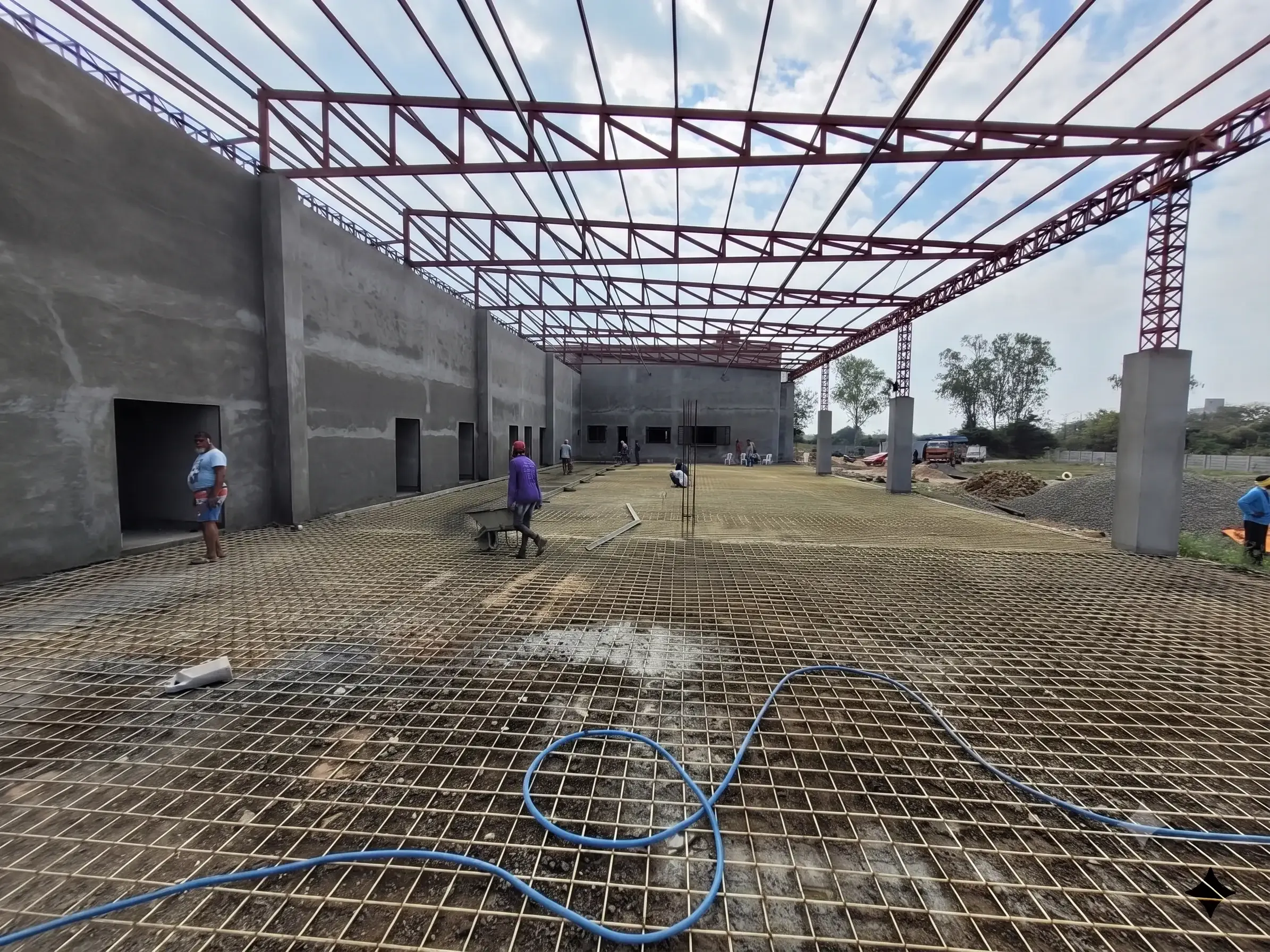
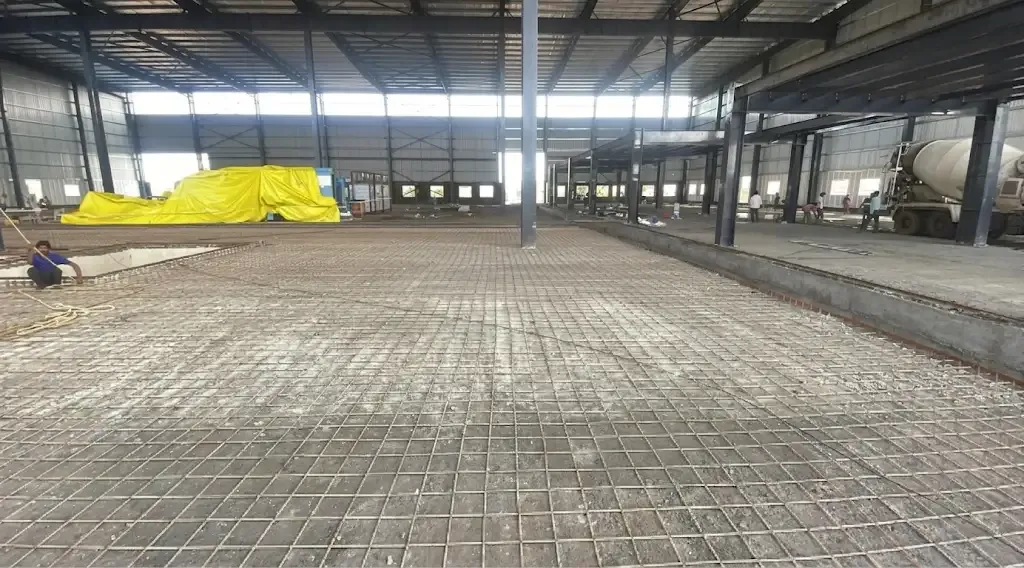
Used in industrial slabs exposed to chemicals and harsh conditions. GFRP reinforcement prevents corrosion and maintains structural integrity.
Resistance to aggressive chemicals
High load-bearing capacity
Reduced maintenance costs
Quick installation with minimal disruption
No corrosion from chemical spills
Performance parameters validated for this application domain.
Id
56
Tensile Strength
≥ 750 MPa
Modulus
40-50 GPa
Density
1.9-2.1 g/cm³
Corrosion Resistance
Thermal Expansion
All values tested under standard industry conditions
The Bhandari TechFab reinforcement we recommend for industrial floorings.
Everything you need to know about GFRP rebar, our manufacturing process, and how we can support your next project.
Yes. Industrial floors face water, oils, chemicals and cleaning agents that rust steel and cause cracks and surface spalling. GFRP does not corrode, so the floor stays sound for longer with less repair.
Compare GFRP rebar with steel (TMT) on cost, weight and lifespan for your project in our free calculator.