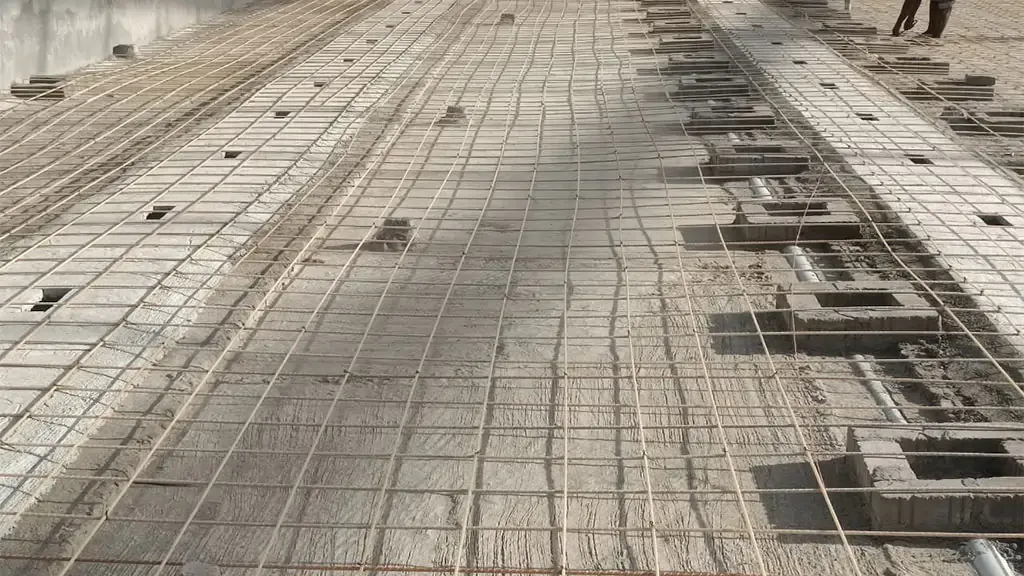

Rust Free World
Saltwater-resistant reinforcement for coastal RCC floorings
RCC floorings in coastal areas face constant exposure to saltwater, chloride attack, and harsh marine environments. GFRP provides superior corrosion resistance and durability for long-lasting performance.
Sub-categories covered
Traditional steel reinforcement creates costly, long-term problems. GFRP solves them permanently.
Severe steel corrosion from saltwater exposure Chloride attack on traditional reinforcement High maintenance and repair costs Structural degradation in coastal areas Short lifespan of steel-reinforced floors
Corrosion-resistant in saltwater environments Protection against chloride attack Long service life with minimal maintenance No protective coatings needed Superior durability in coastal conditions
Primary Use Case
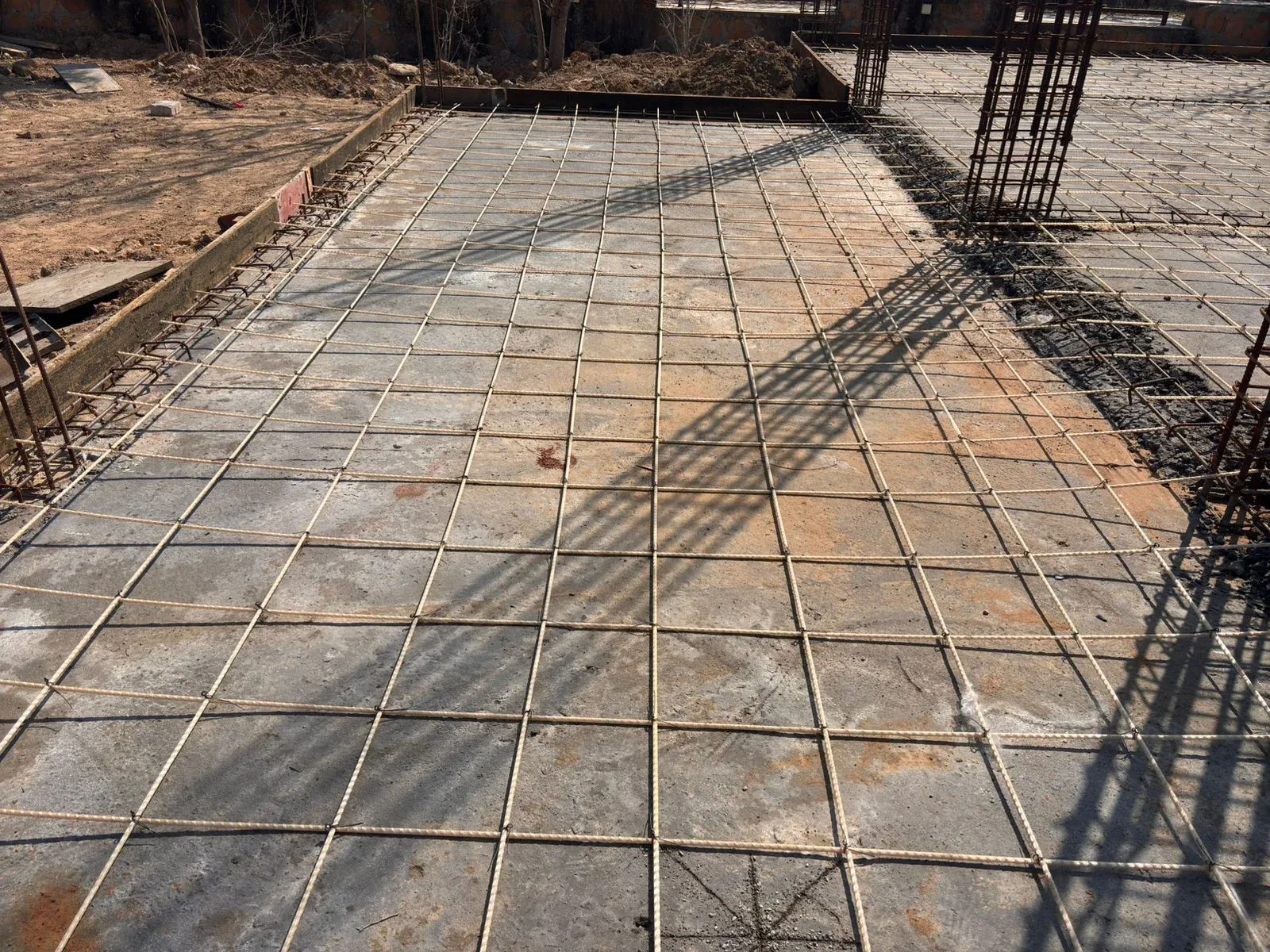
Coastal Flooring Reinforcement
GFRP rebars are used in coastal RCC floorings to prevent saltwater corrosion and ensure long-term structural integrity in marine environments.
Saltwater corrosion resistance
Chloride attack protection
Minimal maintenance in coastal areas
Long-term structural integrity
No protective coatings required
Performance parameters validated for this application domain.
Id
68
Tensile Strength
≥ 800 MPa
Modulus
40-50 GPa
Density
1.9-2.1 g/cm³
Corrosion Resistance
Thermal Expansion
All values tested under standard industry conditions
The Bhandari TechFab reinforcement we recommend for rcc floorings near sea.
Everything you need to know about GFRP rebar, our manufacturing process, and how we can support your next project.
Sea air and salty moisture carry chlorides into the concrete. Once they reach the steel bars, the steel rusts and expands, cracking the floor. GFRP does not rust, so this problem does not occur.
Compare GFRP rebar with steel (TMT) on cost, weight and lifespan for your project in our free calculator.