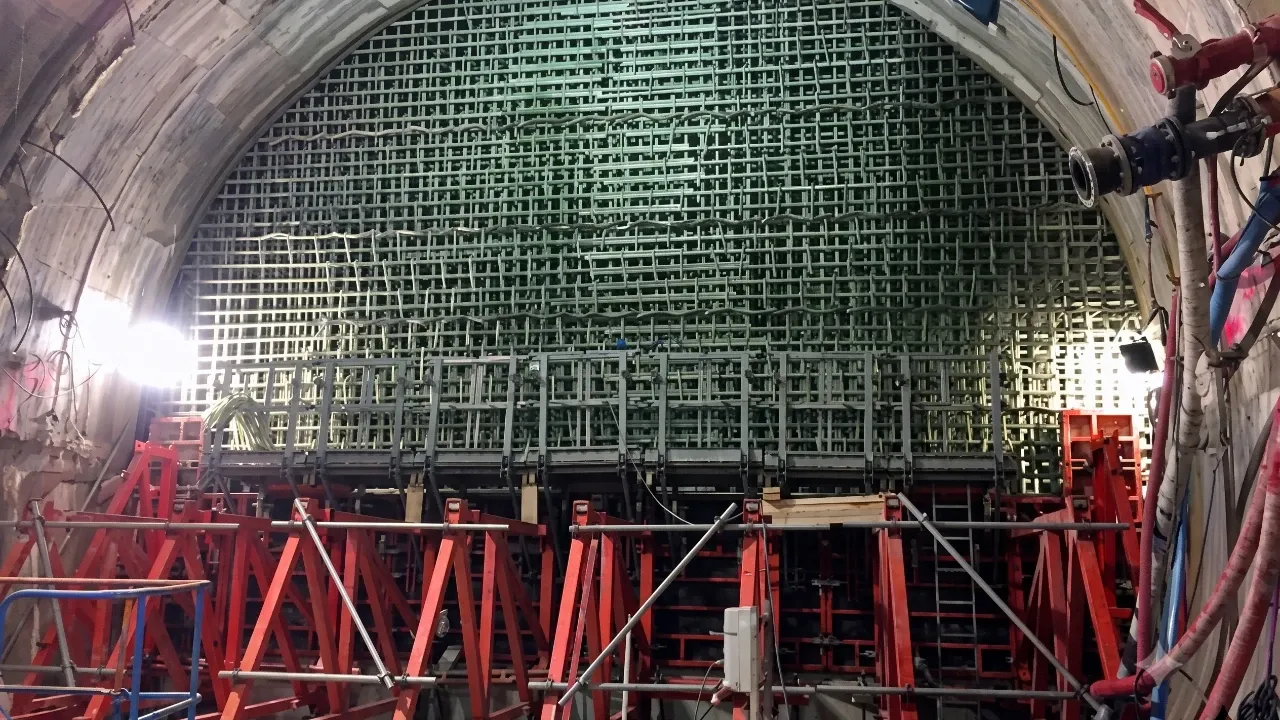

Rust Free World

GFRP in Tunneling & Temporary Structures
Non-conductive reinforcement for safe underground operations
Why GFRP for This Sector?
Tunneling and temporary structures require materials that provide electrical safety, corrosion resistance, and easy handling. GFRP is ideal for tunnel linings, temporary supports, and underground structures.
Sub-categories covered
Problem → Solution
Traditional steel reinforcement creates costly, long-term problems. GFRP solves them permanently.
Structural Vulnerability
Steel conducts electricity, creating safety hazards Corrosion in wet underground conditions Heavy materials complicate installation Magnetic interference with equipment Costly repairs and replacements
Permanent Immunity
Non-conductive material ensures electrical safety Corrosion resistance in underground environments Lightweight for easier installation Non-magnetic properties for equipment safety Extended service life with minimal maintenance
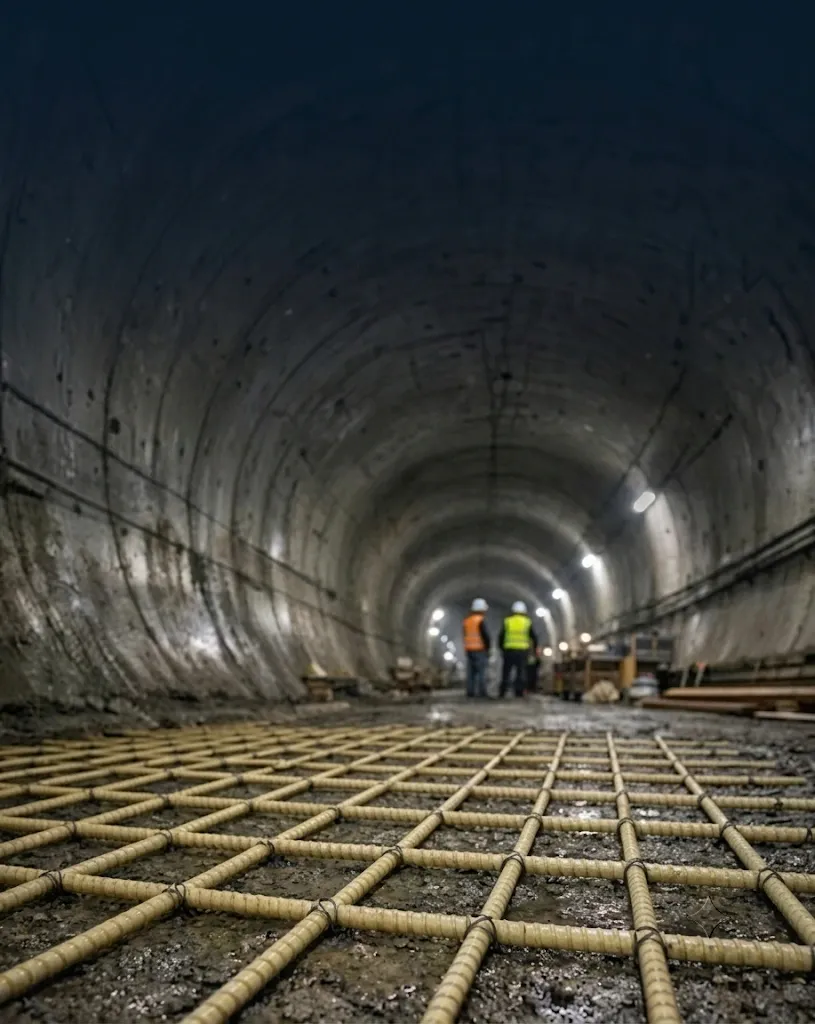
Primary Use Case
Tunnel Reinforcement
Tunnel Reinforcement
Used in tunneling to maintain electrical safety and structural integrity. GFRP's non-conductive nature prevents electrical hazards in underground operations.
Enhanced electrical safety
Corrosion resistance in wet conditions
Lightweight for easy handling
Non-magnetic for equipment compatibility
Easy cutting for TBM operations
Technical Specifications
Performance parameters validated for this application domain.
Id
40
Tensile Strength
≥ 850 MPa
Modulus
42-52 GPa
Density
1.9-2.1 g/cm³
Corrosion Resistance
Thermal Expansion
All values tested under standard industry conditions
Ready to build the future of construction?
Join the leading engineers who trust Bhandari GFRP Rebar for lighter, stronger, and corrosion-free structures.