
Rust Free World
Corrosion-resistant reinforcement for underground water storage
Underground water tanks face constant exposure to moisture, soil chemicals, and water pressure. GFRP provides superior corrosion resistance and long-term structural integrity for reliable water storage.
Sub-categories covered
Traditional steel reinforcement creates costly, long-term problems. GFRP solves them permanently.
Steel corrosion from moisture and soil chemicals Contamination of stored water Structural failure and leakage High maintenance and repair costs Short lifespan of traditional reinforcement
Corrosion-resistant in underground conditions No water contamination Long service life with minimal maintenance Safe for potable water storage Superior structural integrity
Primary Use Case
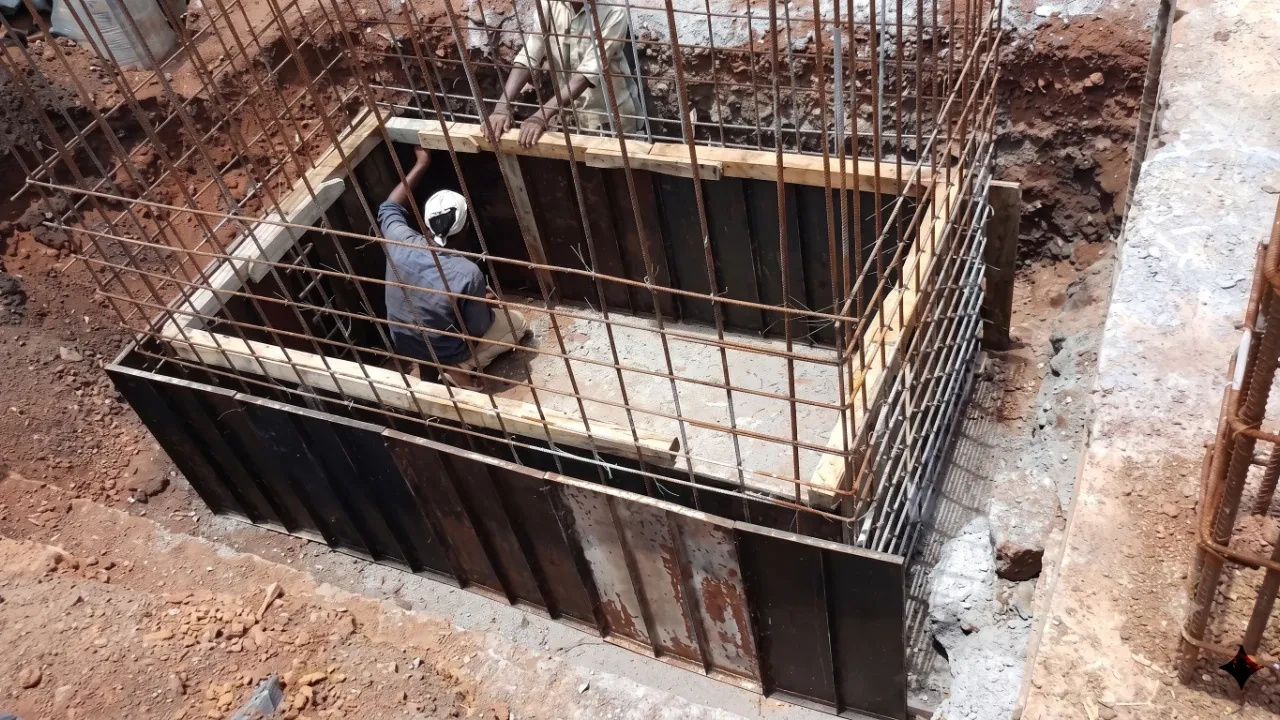
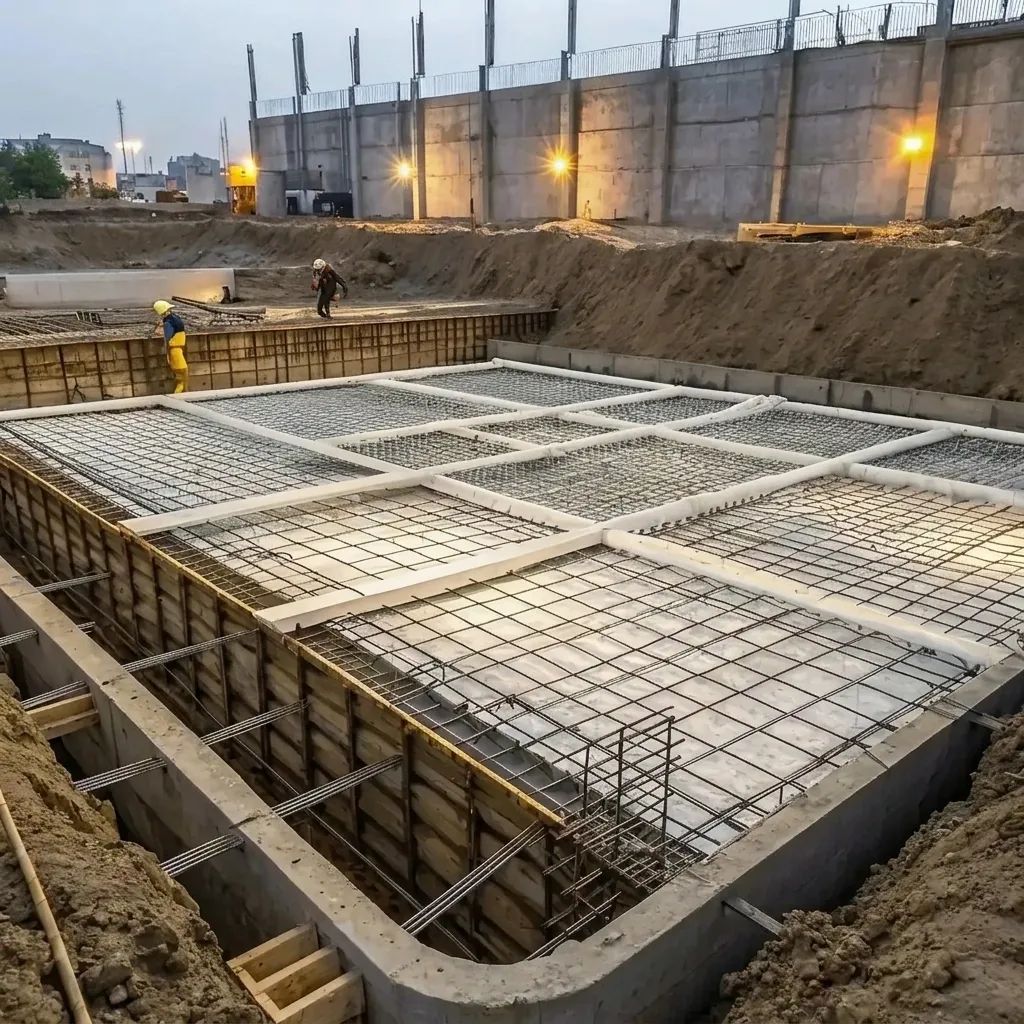
Underground Water Tank Reinforcement
GFRP rebars are used in underground water tanks to prevent corrosion from moisture and soil chemicals, ensuring safe water storage.
Resistance to soil chemicals
No corrosion in underground conditions
Safe for potable water storage
Long-term structural integrity
Minimal maintenance required
Performance parameters validated for this application domain.
Id
76
Tensile Strength
≥ 800 MPa
Modulus
40-50 GPa
Density
1.9-2.1 g/cm³
Corrosion Resistance
Excellent
Thermal Expansion
All values tested under standard industry conditions
The Bhandari TechFab reinforcement we recommend for underground water tanks.
Everything you need to know about GFRP rebar, our manufacturing process, and how we can support your next project.
Yes. Underground tanks are surrounded by damp soil on the outside and water on the inside, which slowly rusts steel and causes leaks. GFRP does not corrode, so the tank stays leak-free for longer.
Compare GFRP rebar with steel (TMT) on cost, weight and lifespan for your project in our free calculator.