



Non-Magnetic and Non-Conductive Advantages of Composite Rebar
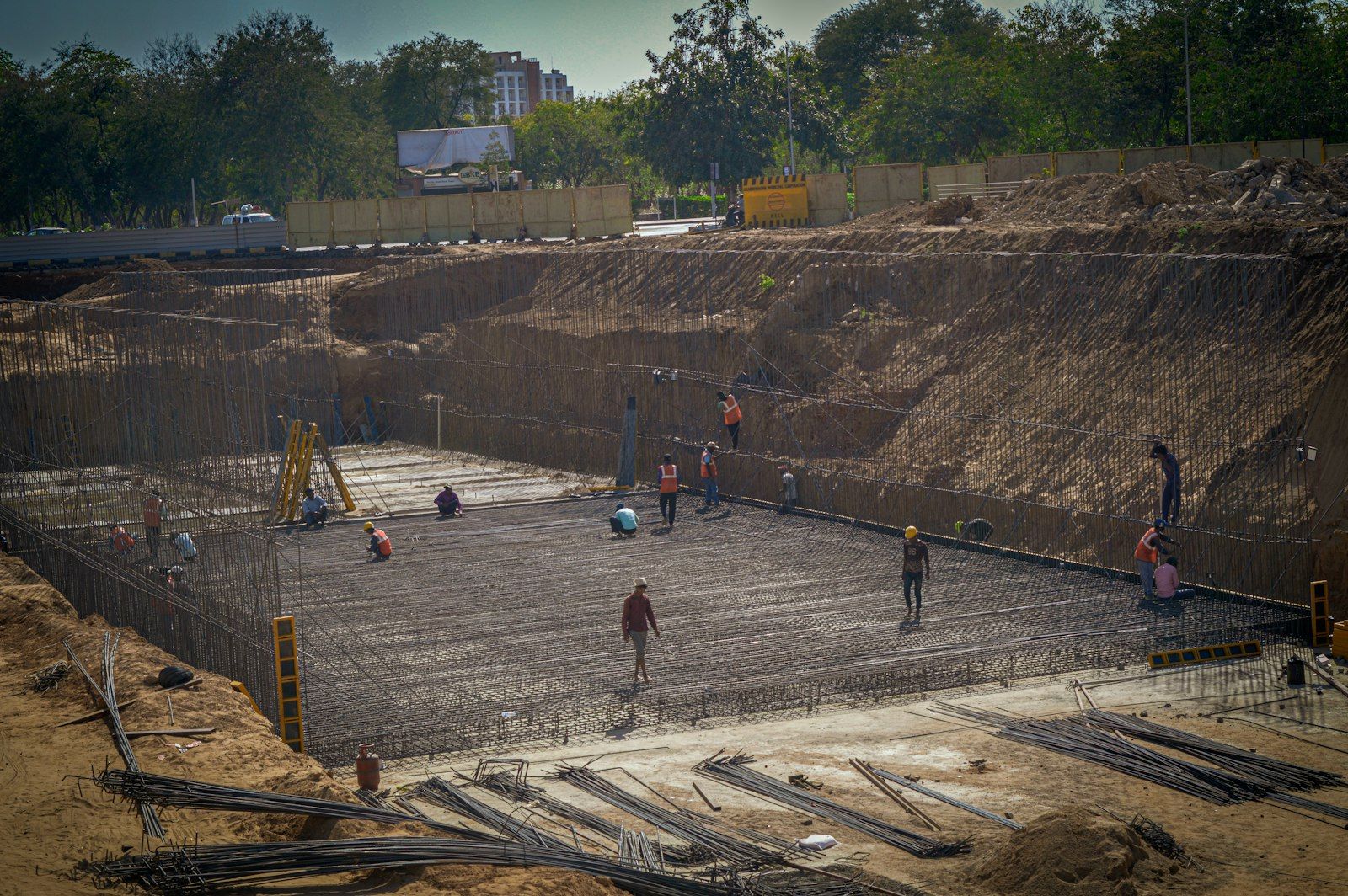
Understand the Non-magnetic and non-conductive advantages of composite rebar for MRI rooms, toll plazas, sub-stations, and sensitive industrial sites. This technical guide examines how electromagnetic neutrality influences structural performance, mitigates stray current risks, and guides specification under modern Indian structural engineering codes. Key Takeaways Composite reinforcement eliminates electromagnetic interference, making it essential for medical imaging suites, microelectronics facilities, and automated toll plazas. Electrical non-conductivity prevents stray current corrosion in electric rail networks, high-voltage sub-stations, and industrial grounding environments. Glass Fibre Reinforced Polymer (GFRP) rebars offer high tensile strength and complete corrosion immunity while weighing approximately one-quarter as much as traditional steel. Structural design with GFRP is governed by serviceability limits due to its lower elastic modulus compared to steel, requiring compliance with IS 18256:2023. Contents What Makes Composite Rebar Non-Magnetic and Electrically Non-Conductive? Why Are Electromagnetic Properties Critical in Modern Infrastructure? How Does GFRP Compare to Steel Reinforcement in Electromagnetically Sensitive Zones? Design Considerations and Code Compliance for Composite Reinforcement Realising the Non-Magnetic and Non-Conductive Advantages of Composite Rebar FAQs What Makes Composite Rebar Non-Magnetic and Electrically Non-Conductive? Traditional reinforcement bars utilized in reinforced concrete (RC) structures are manufactured from carbon steel. Carbon steel is a ferromagnetic material with high electrical conductivity. When steel is exposed to electromagnetic fields or stray electrical currents, it interacts dynamically with those fields, causing unwanted magnetic distortion or conducting electric current through the concrete matrix. In contrast, Glass Fibre Reinforced Polymer (GFRP) composite rebar consists of high-strength glass filaments bound in a thermosetting polymer resin matrix. Because neither glass nor polymer resins contain iron, nickel, or cobalt, the resulting composite exhibits total magnetic neutrality and functions as an electrical insulator. Civil engineers looking to source high-grade non-conductive materials can explore certified GFRP rebar products engineered specifically for demanding structural applications. A 2023 review on non-destructive structural evaluation highlighted how magnetic sensors monitor strain and corrosion in steel-reinforced elements due to ferromagnetic properties. While magnetic flux leakage relies on steel's magnetic response to detect internal defects, non-magnetic composite materials do not interact with magnetic fields at all. This intrinsic property makes composite rebar completely transparent to magnetic fields and radio frequencies. Why Are Electromagnetic Properties Critical in Modern Infrastructure? Electromagnetic interference (EMI) and electrical conductivity create severe operational hazards in specialized facility design. In medical diagnostic centres housing Magnetic Resonance Imaging (MRI) equipment, strong static and dynamic magnetic fields are generated. If steel reinforcement is present in the surrounding floor slabs and walls, it distorts the magnetic field, causing image artifacts and diagnostic errors. Non-magnetic composite rebar provides structural integrity without disrupting imaging precision. In transportation and energy sectors, electrical non-conductivity is equally crucial. Automated toll plazas, high-speed rail lines, and induction heating facilities utilize sensitive electromagnetic sensors embedded within concrete pavements. A 2022 study on structural reinforcement detection demonstrated that ferromagnetic rebar alters electromagnetic flux pathways. Utilizing non-conductive rebar prevents false sensor triggers and eliminates eddy current induction caused by nearby power transformers or high-voltage lines. For high-density transit corridors, selecting non-magnetic reinforcement is vital for critical infrastructure applications. Furthermore, stray direct current (DC) from electric traction systems, subways, and heavy industrial plant equipment often leaks into adjacent reinforced concrete structures. When steel rebars conduct these stray currents, accelerated electrochemical corrosion occurs, leading to concrete spalling and early structural degradation. GFRP composite rebars break the electrical path, completely insulating the structure from stray current electrolysis. Photo by Navy Medicine on Unsplash How Does GFRP Compare to Steel Reinforcement in Electromagnetically Sensitive Zones? Selecting reinforcement for specialized facilities requires evaluating mechanical, chemical, and electromagnetic parameters. A 2022 review on alternative concrete matrices noted that combining non-metallic reinforcement with specialized concrete mixes solves persistent corrosion and interference challenges that traditional steel cannot address. The table below summarizes the key performance differences between standard TMT steel reinforcement and GFRP composite rebar across critical engineering criteria: Property / Parameter Standard Carbon Steel (TMT) GFRP Composite Rebar Magnetic Permeability Ferromagnetic (Interferes with magnetic fields) Completely non-magnetic (Zero interference) Electrical Conductivity High electrical conductor Electrically non-conductive (Dielectric insulator) Tensile Strength Standard Fe500 grade capacity High tensile strength (Typically higher than Fe500 steel) Elastic Modulus High elastic stiffness Lower elastic modulus (Governed by serviceability limits) Unit Weight Heavy structural mass Approximately one-quarter the weight of steel Corrosion Resistance Vulnerable to chloride and moisture attack Completely corrosion-free in aggressive environments Thermal Conductivity High thermal conductance Low thermal conductivity (Acts as thermal break) Design Considerations and Code Compliance for Composite Reinforcement While the Non-magnetic and non-conductive advantages of composite rebar are clear, structural engineers must account for specific material behaviors during design. GFRP rebar exhibits a lower elastic modulus than steel, meaning that design calculations for flexural members are typically governed by serviceability limit states, such as deflection control and crack width criteria, rather than ultimate tensile capacity. Unlike steel rebar, which can be bent on site, composite rebar cannot be bent after the resin matrix has fully cured. All bent shapes, stirrups, and custom geometries must be fabricated during manufacturing. Engineers must also consider elevated temperature performance and fire exposure, specifying appropriate concrete cover thickness to protect the polymer matrix. Specifiers can verify structural parameters by checking IS 18256 compliant reinforcement documentation prior to detailing site layouts. In India, composite reinforcement is standardized under IS 18256:2023 for product specifications, with lot testing executed per IS 18255:2023. Guidelines for bridge and road applications are governed by IRC:137. Internationally, structural designs refer to ACI 440 and ASTM D7957 standards to ensure reliable structural safety and long-term durability. Photo by RONNAKORN TRIRAGANON on Unsplash Realising the Non-Magnetic and Non-Conductive Advantages of Composite Rebar Integrating non-magnetic composite rebar into civil infrastructure addresses critical engineering challenges that conventional steel reinforcement cannot overcome. From eliminating magnetic signal distortion in hospital MRI suites and automated toll roads to preventing stray-current corrosion in electrical sub-stations and marine structures, GFRP rebars deliver unmatched performance in sensitive operating environments. Bhandari TechFab LLP manufactures high-performance Glass Fibre Reinforced Polymer (GFRP) reinforcement ranging from 3 mm to 32 mm diameter, along with custom mesh and pre-formed stirrups, at its primary facility in Surat, Gujarat, supported by offices in Pune and Bengaluru. By combining complete electromagnetic neutrality, low lifecycle maintenance, and full compliance with IS 18256:2023 and IRC:137, composite rebar ensures long-term structural integrity. Material unit costs vary based on bar diameter, quantity, and site delivery location; project authorities can request custom project estimates through our technical sales team. Planning a project with GFRP reinforcement?Get technical guidance, design support and a quotation from the Bhandari TechFab team.Request a Quote Frequently Asked Questions What material is non-conductive and non-magnetic for structural reinforcement? Glass Fibre Reinforced Polymer (GFRP) composite rebar is an electrically non-conductive and completely non-magnetic reinforcement material. Manufactured from high-strength glass fibers bound in a polymer matrix, GFRP acts as an electrical insulator and does not disturb external magnetic fields, making it an ideal alternative to steel in sensitive environments. Why is non-magnetic rebar required in hospital MRI rooms? MRI machines operate using extremely powerful static and dynamic magnetic fields to generate medical imaging. Traditional steel reinforcement distorts these magnetic fields, producing severe image artifacts and potential equipment malfunction. Non-magnetic composite rebar provides necessary structural support without interacting with or distorting the magnetic fields. How does non-conductive rebar prevent stray current corrosion in infrastructure? Stray direct electrical currents from sources such as electric trains, subways, and industrial equipment often enter concrete structures, accelerating steel corrosion through electrolysis. Because composite rebar is electrically non-conductive, it breaks the electrical circuit, preventing stray currents from flowing through the matrix and completely eliminating electrolytic corrosion. What are the key design considerations when replacing steel with GFRP rebar? Structural designs using GFRP rebar are primarily governed by serviceability limit states, including deflection and crack width, due to the material's lower elastic modulus compared to steel. Additionally, all bent elements must be pre-fabricated at the factory prior to curing, and concrete cover must be detailed according to fire resistance requirements. Are composite rebars compliant with Indian standard structural codes? Yes, GFRP composite rebars are fully recognized under Indian structural standards. Specifications for solid GFRP bars are governed by IS 18256:2023, while quality testing protocols follow IS 18255:2023. Guidelines for transportation infrastructure and bridge decks are established under IRC:137. {"@context": "https://schema.org", "@type": "FAQPage", "mainEntity": [{"@type": "Question", "name": "What material is non-conductive and non-magnetic for structural reinforcement?", "acceptedAnswer": {"@type": "Answer", "text": "Glass Fibre Reinforced Polymer (GFRP) composite rebar is an electrically non-conductive and completely non-magnetic reinforcement material. Manufactured from high-strength glass fibers bound in a polymer matrix, GFRP acts as an electrical insulator and does not disturb external magnetic fields, making it an ideal alternative to steel in sensitive environments."}}, {"@type": "Question", "name": "Why is non-magnetic rebar required in hospital MRI rooms?", "acceptedAnswer": {"@type": "Answer", "text": "MRI machines operate using extremely powerful static and dynamic magnetic fields to generate medical imaging. Traditional steel reinforcement distorts these magnetic fields, producing severe image artifacts and potential equipment malfunction. Non-magnetic composite rebar provides necessary structural support without interacting with or distorting the magnetic fields."}}, {"@type": "Question", "name": "How does non-conductive rebar prevent stray current corrosion in infrastructure?", "acceptedAnswer": {"@type": "Answer", "text": "Stray direct electrical currents from sources such as electric trains, subways, and industrial equipment often enter concrete structures, accelerating steel corrosion through electrolysis. Because composite rebar is electrically non-conductive, it breaks the electrical circuit, preventing stray currents from flowing through the matrix and completely eliminating electrolytic corrosion."}}, {"@type": "Question", "name": "What are the key design considerations when replacing steel with GFRP rebar?", "acceptedAnswer": {"@type": "Answer", "text": "Structural designs using GFRP rebar are primarily governed by serviceability limit states, including deflection and crack width, due to the material's lower elastic modulus compared to steel. Additionally, all bent elements must be pre-fabricated at the factory prior to curing, and concrete cover must be detailed according to fire resistance requirements."}}, {"@type": "Question", "name": "Are composite rebars compliant with Indian standard structural codes?", "acceptedAnswer": {"@type": "Answer", "text": "Yes, GFRP composite rebars are fully recognized under Indian structural standards. Specifications for solid GFRP bars are governed by IS 18256:2023, while quality testing protocols follow IS 18255:2023. Guidelines for transportation infrastructure and bridge decks are established under IRC:137."}}]} Cover image: Photo by Annabelle Allimonos on Unsplash